
Recognizing Critical Signs of Brake System Failure: A Driver’s Guide
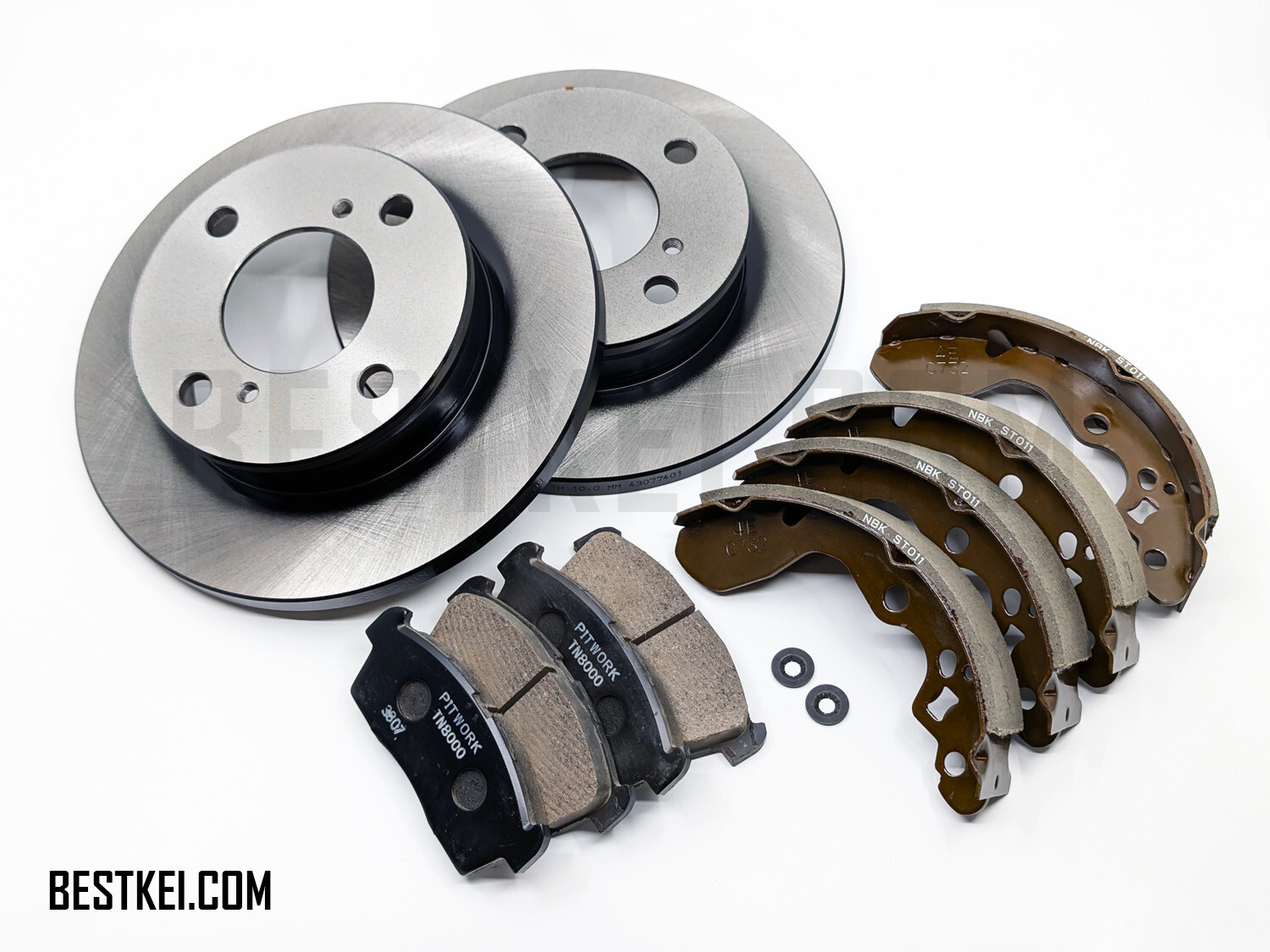
The braking system is arguably the most vital safety component of any vehicle. While catastrophic failure is rare, brake components are designed to degrade over time, often providing specific mechanical or audible cues prior to failure.
A national survey reveals a significant gap in driver awareness regarding these cues. While 64% of motorists could identify audible signs of wear, such as squealing, far fewer could recognize more critical indicators of systemic failure.
To ensure vehicle safety and handling integrity, drivers must be able to identify the following six symptoms of brake system compromise.
1. Audible Indicators (Squealing or Grinding)
The most commonly recognized symptom of brake wear is a high-pitched squeal or a harsh grinding noise.
-
Squealing: Most modern brake pads are equipped with wear sensors designed to emit a high-pitched sound when the friction material has reached its service limit.
-
Grinding: A metal-on-metal grinding sound typically indicates that the brake pads are completely depleted, causing the metal backing plate to contact the rotor. This requires immediate attention to prevent extensive damage to the braking hardware.
2. Increased Pedal Travel ("Falling" Pedal)
A brake pedal that rests lower than usual or travels closer to the floor before engaging is a primary indicator of hydraulic or mechanical issues. This symptom, often described as a "falling" pedal, suggests the system is out of adjustment, generally due to:
-
Air trapped in the hydraulic lines.
-
A leak in the brake fluid system.
-
Master cylinder failure.
3. Increased Braking Effort Required
If a driver must apply excessive force to the pedal to bring the vehicle to a stop, the braking system is likely experiencing a loss of efficiency. Often described as a "soft pedal," this symptom indicates that one or more axles are not generating sufficient stopping power. According to a safety study, only 32% of drivers correctly identified increased stopping distance as a sign of brake failure.
4. Pedal Vibration or Pulsation
Vibration or pulsation felt through the brake pedal during application is typically indicative of uneven surfaces within the braking components.
-
Warped Rotors: If the brake rotors are warped or corroded, the pads will not make even contact, causing a pulsation. This may also manifest as a steering wheel wobble.
-
ABS Operation: Note that a rapid mechanical pulsation is normal during an emergency stop when the Anti-Lock Braking System (ABS) is activated. However, pulsation during normal braking suggests a mechanical defect.
5. Vehicle "Pulling" to One Side
If the vehicle veers to the left or right when the brakes are applied, it indicates uneven braking force distribution. This is frequently caused by a seized caliper or wheel cylinder on one side of the vehicle, forcing the functional side to bear the entire braking load. This imbalance compromises vehicle stability and handling.
6. Dashboard Warning Indicators
Modern vehicles are equipped with monitoring systems that alert drivers to hydraulic or electronic failures. A red brake warning light on the instrument panel typically signifies:
-
A loss of hydraulic pressure.
-
Low brake fluid levels.
-
A burst brake line.
-
Engagement or failure of the parking brake system.
Recommended Action Plan
For Minor Symptoms: If you detect early warning signs, such as a slight vibration or intermittent squealing, schedule a professional inspection immediately. Ensure that any fluid top-ups are performed using the specific brake fluid grade recommended by your vehicle manufacturer.
For Critical Failure: If the brake pedal travels to the floor, requires extreme effort to engage, or if the vehicle fails to stop effectively, do not drive the vehicle. These symptoms indicate a critical safety failure. Pull over safely, secure the vehicle, and arrange for a tow to a certified service center.
Proactive annual inspections are the most effective method for mitigating these risks, ensuring the longevity of brake components, and maintaining road safety.
For high quality brake system components that don't break the bank, check out BestKei.com for all your kei vehicle needs!